Roanoke Quality DrywallRoanoke Valley

Roanoke, Virginia

Roanoke Quality Drywall — Drywall Installation, Finishing and Repair in Roanoke, VA

Hanging, taping, finishing and repair for walls and ceilings in the Roanoke Valley, from older plaster houses in the city to later drywall in the county. Tell us about your project to get the process started.

  • Repair, remodel and new rooms
  • Plaster and drywall both handled
  • City, Salem and nearby towns

Tell us about your project to get the process started

Step 1 of 6

What kind of project is it?
What's going on?
How big is the job?
Where is it?
When do you want it done?
Who should we follow up with?

Clear scope before work starts

You know what's being done before anyone starts.

Direct answers

A real person follows up on your project.

The site is left clean

Dust control and cleanup are part of the plan.

Local to the Roanoke Valley

Roanoke, Salem, Vinton and nearby.

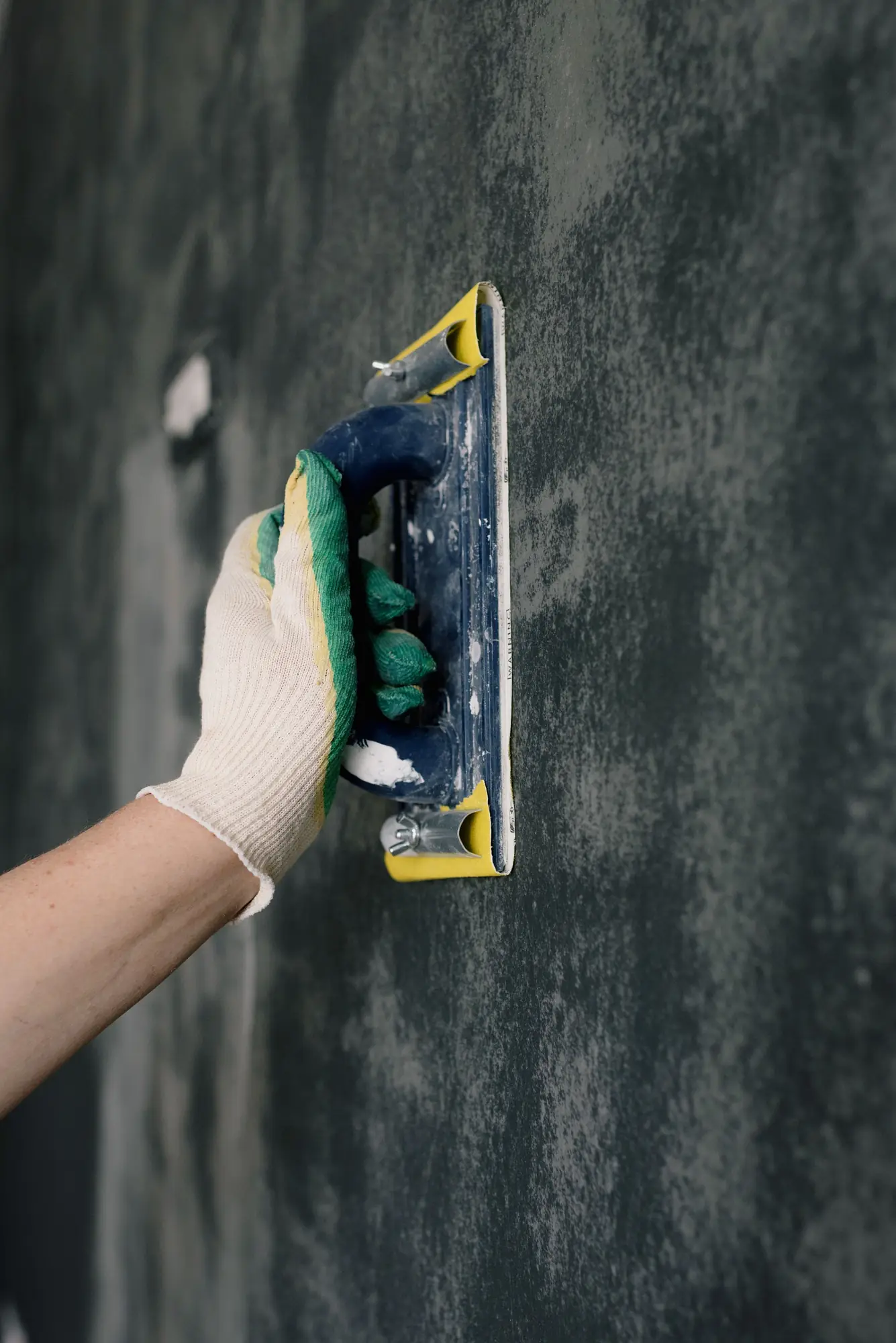
Hero photograph: Ksenia Chernaya, Pexels. For illustration, not a job from this site.

Looking for drywall help in Roanoke? This is a local drywall service for installation, finishing and repair on walls and ceilings. The city has a lot of older housing — the median year built is 1958, per the U.S. Census Bureau American Community Survey for 2020–2024 — so a first look often starts with whether the walls are plaster, drywall or a mix. Share a few project details to get the process started.

Drywall Repair Services In Roanoke VA

Most calls in the valley start with a repair, not a whole-house hang. A doorknob hole in a Raleigh Court rental, a crack over a transom in Old Southwest, a brown stain under a Wasena roof leak, or a soft spot under an attic air-handler in a 1960s ranch are everyday jobs.

A lasting repair starts with the cause. If the board is only dinged, the damaged piece is cut back to sound edges, a new piece is fastened, and the joints are taped and finished to the surrounding texture. If water got into the board, the wet section has to come out after the leak is stopped and the framing has dried. Painting over a stain without replacing soft board usually means the stain or the sag comes back.

Roanoke city's housing stock makes this work a little different from a suburb of all-new drywall. About 65 percent of the city's housing units were built before 1970, and about one in four dates to 1939 or earlier (ACS 2020–2024, table B25034). Those older rooms may be plaster on lath, a later drywall skim, or a mix where a porch was closed in. The repair method follows the surface, not a single recipe.

Common repairs include holes and dents, cracked seams, nail and screw pops, corner-bead dents, ceiling stains, and patches that still flash after paint. Each of those has a dedicated page under services, including drywall repair, nail pops and water damage.

Housing figures: U.S. Census Bureau, American Community Survey 2020–2024 5-year estimates, tables B25034 and B25035, for Roanoke city, Virginia.

Drywall Repair Or Full Replacement

A patch is the right call when the paper face is sound around the damage, the framing is straight and dry, and the problem is local. A few square feet around a hole, a short run of failed tape, or a single stain after a fixed leak can usually be cut out and blended.

Replacement makes more sense when the board itself has failed across a wider area. That includes ceilings that have sagged between joists, rooms with repeated leaks, walls where the paper is peeling in sheets, or plaster that has lost its key to the lath over a whole bay. Replacing a full sheet, or a full wall, can be cleaner and more stable than a patchwork of small pieces.

Humidity in the Roanoke Valley is part of this decision. Summers here are humid, and winters bring a regular freeze-thaw cycle. That movement shows up at seams, outside corners and the joint where a wall meets a ceiling. A repair that only skims the surface, without resetting loose tape or fasteners, often opens again after the next season. The replacement page walks through when a larger swap is the better path.

Drywall Installation For Walls And Ceilings

New board is hung on additions, remodeled kitchens, finished basements, closed-in porches and new rooms throughout the city and nearby towns. Installation means more than standing the sheets up. The board type, the fastener pattern, the joint layout and the finish level all affect how the wall looks after paint.

Ceilings in older Roanoke houses sometimes need a heavier board, closer framing checks, or a decision about covering a popcorn finish instead of hanging to stained joists. Walls in a 1920s house may land against plaster in the next room, which takes a careful transition. Newer county houses are usually a straight drywall hang. See drywall installation and drywall for ceilings for the details.

Bathroom And Moisture Resistant Drywall

Bathrooms are hard on ordinary paper-faced board. Steam from a shower on a cold valley morning, a tub overflow, or a slow leak at a supply line will soften regular drywall and lead to stains or moldy paper. Moisture-resistant board, often called green board, and cement board at wet walls around tubs and showers are the usual materials in a bathroom remodel.

Roanoke's older bathrooms add a wrinkle. Many houses in South Roanoke, Old Southwest and downtown still have small original baths with plaster walls. A remodel may keep some plaster, switch wet walls to moisture-resistant board, or rebuild the room. The bathroom drywall page covers those choices without treating every bath the same.

Taping Mudding And Finish Levels

Once the board is up, the joints, fasteners and corners get tape and joint compound, often called mud. Finish levels run from a basic Level 3, which can be fine in a garage, to Level 4, the usual ready-for-paint finish in living space, to Level 5, a thin skim over the whole surface for a smooth, critical-light wall. Low winter sun through a south-facing window on Mill Mountain or along the river can show every ridge that a quick finish leaves behind.

The finish has to match the paint plan. A dark color or a gloss or semi-gloss paint on a smooth wall is less forgiving than a flat paint on a knockdown texture. That is why the finish level is part of the job plan, not an afterthought.

Matching Texture After Repair

Most Roanoke houses are not a perfectly smooth Level 5. Knockdown, orange peel and older popcorn all show up, sometimes in the same house if a room was remodeled later. After a repair, texture is applied to the patch and blended into the existing pattern so the rectangle of new work does not flash under paint. The texture matching guide and the texture service page go into the common patterns.
Signature guide

Plaster or Board?

A lot of Roanoke city houses were built before drywall was common. The American Community Survey for 2020–2024 puts the median year built in the city at 1958, and about one in four housing units dates to 1939 or earlier. Those older walls are often plaster. Later additions, ranch houses in the county, and most work after the 1960s are usually drywall. Answer four questions to get a read on what you have and how a repair usually goes.

This is a homeowner check, not an inspection. Mixed walls are common in the valley, especially where an older house got a later addition. A walkthrough is the sure way to tell.

Drywall services in Roanoke

See the full list of services, including fire-rated board, metal studs, soundproof assemblies, garage work and drywall over plaster or popcorn.

Where Roanoke Quality Drywall works

Work is based in Roanoke, Virginia, and covers nearby places in the valley. Salem is its own independent city just to the west. Vinton is an incorporated town on the east side of the city line. Cave Spring and Hollins are large communities in the county. Botetourt towns along I-81 and US 11, and Franklin County towns along US 220, are also on the list when the job fits.

See all areas served, each with its own housing and permit notes.

How Roanoke Quality Drywall works

1

A walkthrough of the walls and ceilings

A close look at the rooms, the surface and the scope comes first. Photos help when a visit has to wait.

2

A clear scope before work starts

You get a written outline of the work and how the finish will be handled, so the plan is in front of you.

3

Cleanup is part of the job plan

Dust containment, floor protection and a cleanup pass are built into the work, including in furnished rooms.

4

Local to Roanoke

The work is planned around valley housing and climate, from city plaster to later county drywall.

Drywall questions from Roanoke customers

Do older Roanoke houses have plaster or drywall?

Many do have plaster, especially houses built before about 1950. The American Community Survey for 2020–2024 puts the median year built in Roanoke city at 1958, and about one in four housing units dates to 1939 or earlier. Later rooms, additions and most county houses built after the 1960s are usually drywall. The Plaster or Board? guide on this page helps sort that out.

Does a small drywall repair need a permit in the city?

It depends on the work. The City of Roanoke Permit Center, part of Planning, Building and Development, handles permits inside the city limits (215 Church Ave SW, Suite 170). Ordinary repairs sometimes do not need a permit, but that is the building official's call. Larger openings, fire-rated walls and new construction usually do. Ask the Permit Center if you are unsure.

Can a patch be blended into knockdown or orange peel?

Yes. After the board is tight and the joints are finished, texture is applied to the patch and faded into the surrounding wall. Older popcorn, knockdown and orange peel are all common in the valley. A test area helps when the original texture has been painted many times.

What about popcorn ceilings in older homes?

Popcorn was widely used on mid-century ceilings. Some older texture may contain asbestos, so a material test is wise before any scraping. Covering the ceiling with new drywall is another path when testing or scraping is not the right call.

Do you work in Salem, Vinton and the county as well as the city?

Yes. Work is planned for Roanoke city and nearby places including Salem, Vinton, Cave Spring, Hollins, Daleville, Cloverdale and other towns listed on the areas page. Each of those places has its own housing mix and, in some cases, its own permit office.

How does a project get started if there is no phone number on the site?

Use the project starter on this page. Name and phone are required so someone can follow up. Notes are optional. The usual next step is a walkthrough of the rooms.

Tell Roanoke Quality Drywall about the job

Use the project starter at the top of this page, or the short form here, to share a name, a phone number and a few notes. That is how the process gets started. There is no phone number listed on this site yet.

Tell us about your project to get the process started

Prefer tapping through a few questions first? Use the 6-step project starter.

Start your project with Roanoke Quality Drywall

Tell us about your project to get the process started. A walkthrough of the rooms is the usual next step.

Start your project

Start your project